The following post and research came from PERC.
Even as the nation contends with searing heatwaves of historical proportions, summer will soon turn to fall and bring chilly November blasts. That means now is the time to prepare for the hectic winter heating season ahead.
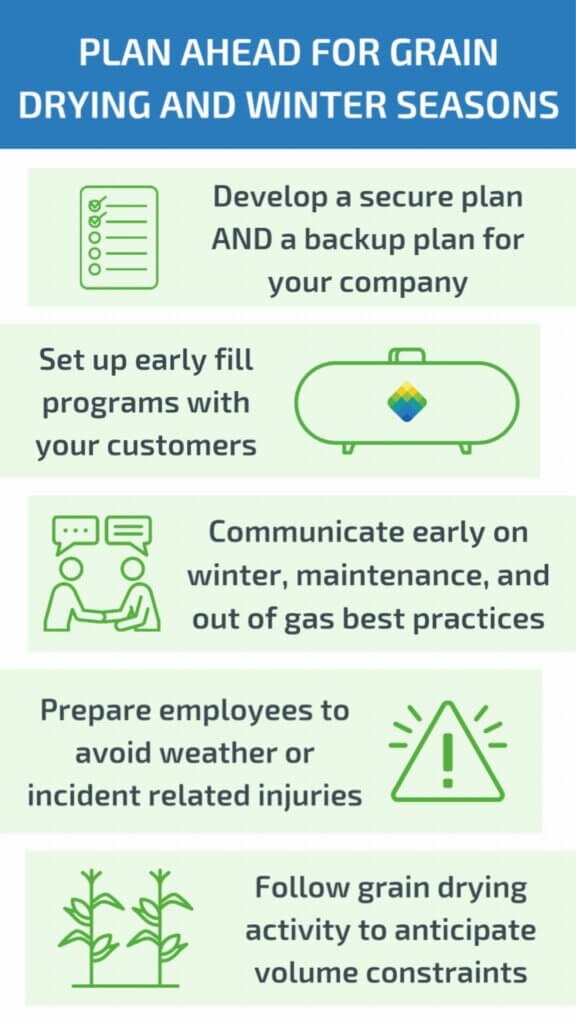
Autumn’s arrival should bring the industry’s focus to early tank fill programs on the farm and getting ready for grain drying season. To effectively plan for grain drying, propane marketers need to understand what is happening with the growing corn crop right now.
The U.S. Department of Agriculture has reported that corn planting was down 5% from 2023 levels, with 90 million acres of corn in the ground. Despite the drop in corn acres planted, rain delayed corn planting in many areas. As a result, corn moisture could be higher with normal weather patterns through the harvest.
“Farmers will need ample supplies of propane to dry corn if they are faced with a short harvest season before winter,” said Mike Newland, director of agriculture business development for PERC. “While much of the nation is experiencing drying conditions, it will be important for producers to monitor weekly crop moisture levels and plan their grain drying fuel supplies accordingly.”
PERC’s Grain Drying Demand Model tracks the growing corn crop compared to the previous 22 years of data for each state and local service area to provide insight into what could happen during harvest season for grain drying gallons. This tool is only available to the propane industry, and is a real benefit to planning, as it tracks the corn crop every week from the time of planting until harvest.
As always, planning will be essential for grain dryers to run, for livestock buildings to be ready for cooler weather that is coming quickly, and for happy, warm customers all winter long.
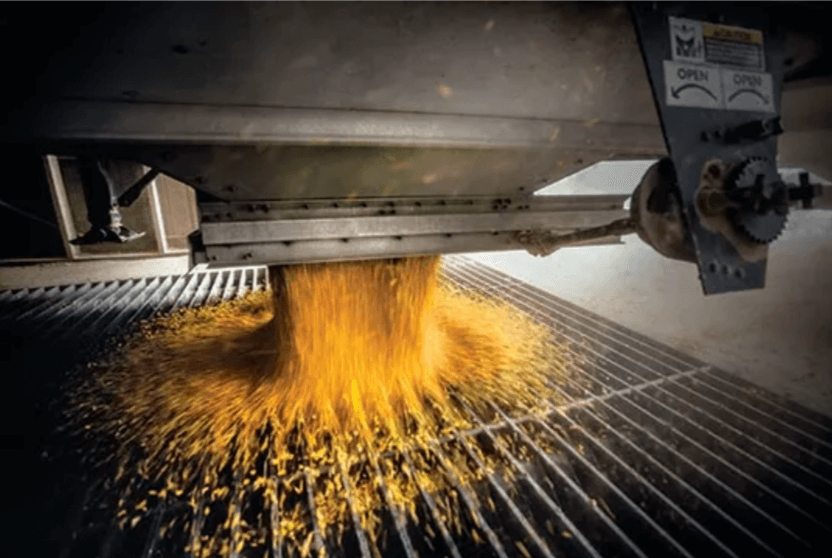
Transitioning into the colder winter months, not only are early fill programs vital for residential and commercial customers, but so is early communication to them and your employees on best practices for situations involving snow, ice, tank maintenance, storage, and what to do if you they are out of gas. Take the time now to make sure your employees are prepared for the busy season and to avoid weather or incident-related injuries.
As a whole, industry supply is well positioned going into the crop drying season and the winter draw. That should help marketers assess storage and firm up supply contracts that provide maximum flexibility against the unknown.
Last winter was relatively free of supply disruptions. But given the uncertainties of pipeline, rail and truck distribution during a typical winter, marketers are advised to plan for both the expected and unexpected. Arrange both a primary and backup supplier. Identify multiple supply points in case one is somehow compromised.
Given the additional challenges of industry-wide driver shortages – and the new emergency driver training requirements that extend the time it takes to onboard new hires – early fills of customer tanks are more critical than ever. Fill tertiary storage early and often while pipeline capacity is available and demand is calm. Remember, pipeline infrastructure is not intended to be the sole source of supply during peak demand.
Now is the time to communicate with customers about the best early fill strategies. Let them know how and when to contact you using PERC’s free, downloadable outreach materials on propane.com.